Multivitamins

What are Multivitamins?
Multivitamins are supplemental sources of vitamins and minerals to help ensure your body gets the nutrition it needs but may not get from diet alone. A daily multivitamin/mineral should go beyond basic wellness support to help ensure your body is receiving the essential nutrients it needs to stay healthy and active.

Fish oil ( Omega 3 )

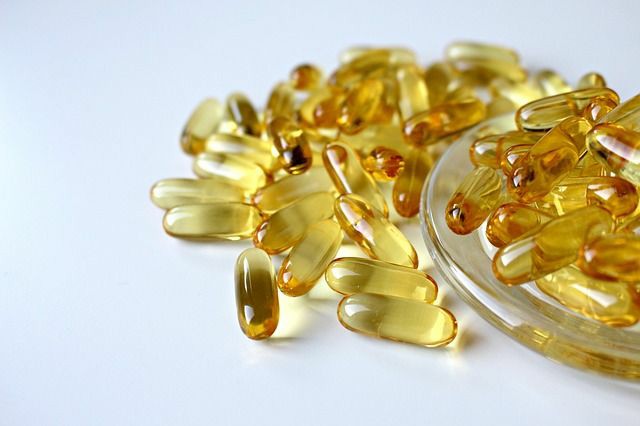
What is fish oil?
Fish oil is a dietary source of omega-3 fatty acids — substances your body needs for many functions, from muscle activity to cell growth.

Omega-3 fatty acids are derived from food. They can’t be manufactured in the body. Fish oil contains two omega-3s called docosahexaenoic acid (DHA) and eicosapentaenoic acid (EPA). Dietary sources of DHA and EPA are fatty fish, such as salmon, mackerel and trout, and shellfish, such as mussels, oysters and crabs. Some nuts, seeds and vegetable oils contain another omega-3 called alpha-linolenic acid (ALA).

Whey Protein

What is Protein?

Proteins are fundamental structural and functional elements within every cell of the body and are involved in a wide range of metabolic interactions. All cells and tissues contain protein, therefore protein is essential for growth and repair and the maintenance of good health. Protein provides the body with approximately 10 to 15% of its dietary energy and it is the second most abundant compound in the body, following water. A large proportion of this will be muscle (43% on average) with significant proportions being present in skin (15%) and blood (16%).

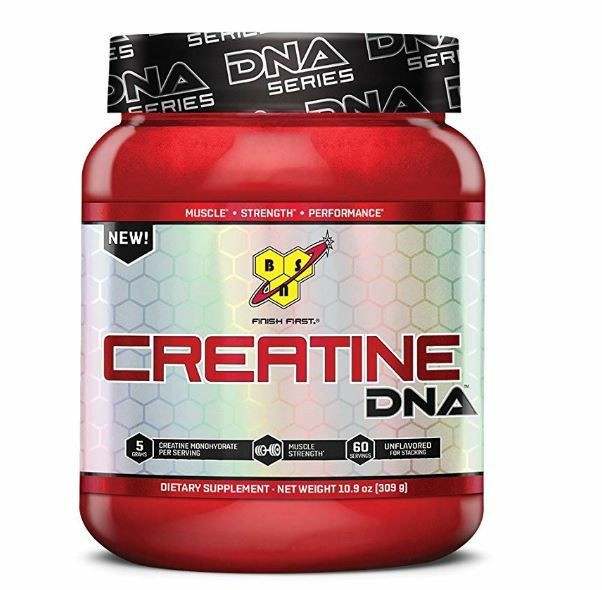
Creatine

What is Creatine?
Creatine is a natural substance that turns into creatine phosphate in the body. Creatine phosphate helps make a substance called adenosine triphosphate (ATP). ATP provides the energy for muscle contraction.

The body produces some of the creatine it uses. It also comes from protein-rich foods such as meat or fish.